
 By sharp sun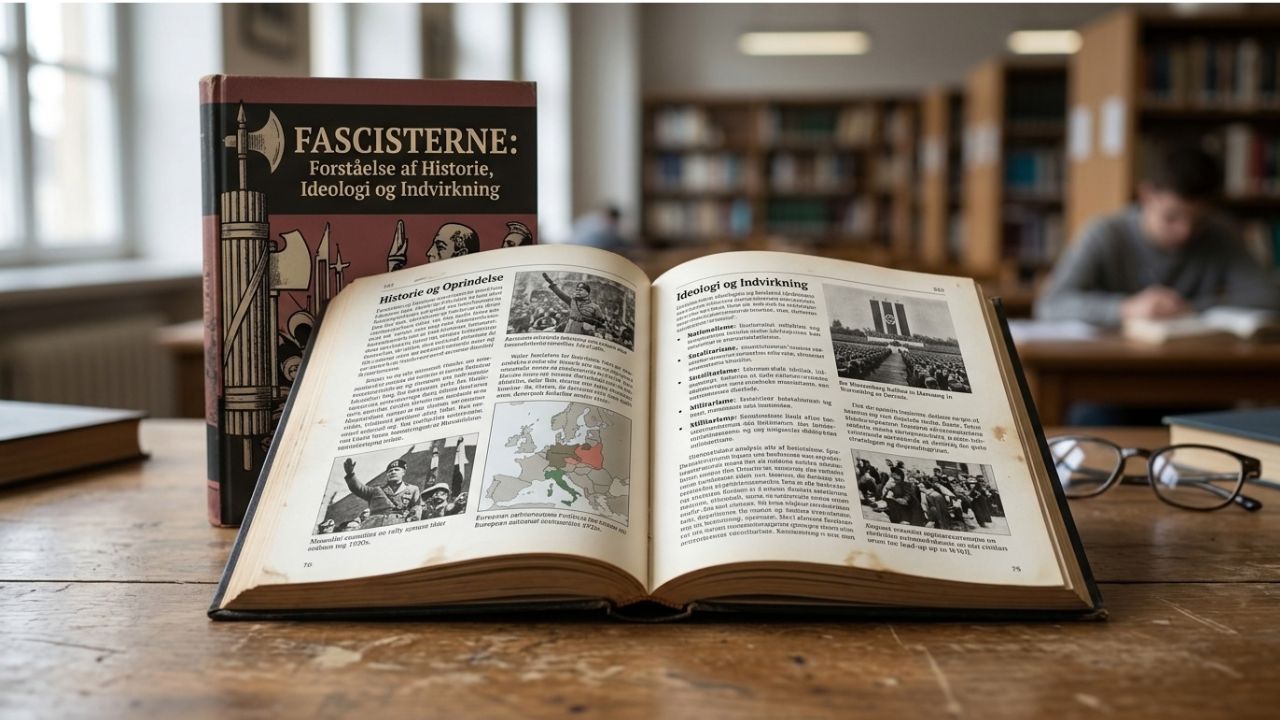
The term Fascisterne refers to individuals and groups associated with fascism, a political ideology that emerged in Europe during the early twentieth century. Fascism became one of the most influential and controversial political movements in modern history, shaping governments, societies, and international relations. Understanding Fascisterne is essential for anyone interested in political history, ideological movements, and the factors that contributed to major global events. By examining their origins, beliefs, and historical significance, we can better understand how fascist movements rose to power and why their legacy continues to be discussed today.
The Origins of Fascisterne
The history of Fascisterne begins in the aftermath of World War I, a period marked by economic instability, political uncertainty, and widespread social change. Many European nations faced severe challenges, including unemployment, inflation, and public dissatisfaction with existing political systems.
In this environment, fascist movements gained support by promising national renewal, stronger leadership, and social order. Italy became the birthplace of organized fascism under Benito Mussolini, whose movement attracted followers seeking solutions to the nation’s problems. Over time, similar movements appeared in other countries, influencing political developments across Europe.
The rise of Fascisterne reflected the concerns of people who believed traditional institutions were unable to address the difficulties facing society.
Core Beliefs of Fascisterne
To understand Fascisterne, it is important to explore the key principles associated with fascist ideology. While different movements varied in their approaches, several common themes were present.
Nationalism
Nationalism was a central element of fascist thought. Fascisterne emphasized loyalty to the nation and often promoted the idea that national interests should take precedence over individual concerns.
Strong Leadership
Supporters of fascism generally believed that a powerful leader could provide direction and stability during times of crisis. Strong leadership was viewed as essential for achieving national goals.
Centralized Authority
Fascisterne often favored centralized political systems in which significant power was concentrated within the government. They argued that such structures could improve efficiency and unity.
Collective Identity
Another key aspect of fascist ideology was the emphasis on collective identity. Individuals were encouraged to place the needs of the nation above personal interests.
Why Fascisterne Gained Popularity
The growing support for Fascisterne during the early twentieth century was influenced by several social and economic factors.
Economic Challenges
Many countries experienced financial hardships following World War I. Rising unemployment and economic uncertainty led some citizens to seek alternative political solutions.
Political Instability
Frequent changes in government and political conflict created frustration among voters. Fascist movements presented themselves as a source of stability and decisive action.
National Pride
Fascisterne often appealed to people who wanted to restore national strength and prestige. Their messages focused on unity, discipline, and shared purpose.
Fear of Social Change
Rapid social and political transformations caused concern among some groups. Fascist organizations promised to preserve order and address perceived threats to society.
The Role of Fascisterne in European Politics
As fascist movements gained influence, Fascisterne became important actors in national politics. Their impact was particularly significant in countries where they achieved governmental power.
Expansion of State Power
Fascist governments frequently expanded the role of the state in public life. This included increased control over political institutions, education, and communication.
Political Reorganization
Many fascist administrations sought to reshape political systems by reducing the influence of opposition parties and strengthening executive authority.
Public Mobilization
Fascisterne used rallies, speeches, and public events to encourage participation and foster a sense of national unity among supporters.
Fascisterne and Propaganda
Propaganda played a major role in the success of Fascisterne. Political movements used various forms of media to communicate their ideas and influence public opinion.
Newspapers and Publications
Printed media allowed fascist organizations to spread their messages to large audiences and promote their political objectives.
Public Speeches
Leaders often delivered speeches designed to inspire supporters and reinforce ideological beliefs.
Visual Campaigns
Posters, symbols, and public displays were frequently used to create strong emotional connections with audiences.
Cultural Influence
Fascisterne recognized the importance of culture in shaping public attitudes and often sought to influence artistic and educational institutions.
The Impact of Fascisterne on Society
The influence of Fascisterne extended beyond politics and affected many aspects of daily life.
Social Organization
Governments influenced by fascist ideas often encouraged citizens to participate in organizations that supported national goals and state policies.
Education
Educational systems were sometimes used to promote civic values aligned with government objectives.
Economic Policies
Fascist administrations implemented economic strategies aimed at increasing national self-sufficiency and strengthening state control over key sectors.
Public Identity
The emphasis on national unity shaped public discourse and influenced how citizens viewed their relationship with the state.
Criticism of Fascisterne
Throughout history, Fascisterne have been the subject of significant criticism. Scholars, political analysts, and human rights advocates have raised concerns about several aspects of fascist governance.
Common criticisms include:
- Concentration of political power.
- Restrictions on political opposition.
- Limitations on freedom of expression.
- Use of state-controlled propaganda.
- Reduced political pluralism.
These concerns have contributed to ongoing debates about the role of authoritarian ideologies in modern societies.
Historical Lessons from Fascisterne
The study of Fascisterne offers valuable lessons about political movements and societal change.
Importance of Democratic Institutions
Strong democratic institutions help provide accountability and peaceful methods for resolving political disagreements.
Civic Engagement
Active participation by citizens contributes to informed decision-making and healthy political systems.
Understanding History
Learning about past political movements helps societies recognize the factors that influence political change and public opinion.
Protecting Civil Liberties
Historical experiences highlight the importance of safeguarding individual rights and freedoms within political systems.
The Legacy of Fascisterne in Modern Discussions
Although the historical period associated with fascist movements has passed, discussions about Fascisterne continue in academic, political, and social contexts. Historians study fascism to understand its causes, consequences, and influence on global events.
The term is also referenced in contemporary debates about nationalism, governance, political authority, and democratic values. These discussions demonstrate the lasting significance of understanding historical ideologies and their impact on society.
Conclusion
Fascisterne played a major role in shaping twentieth-century history through their association with fascist political movements. Emerging during a period of economic and political uncertainty, they promoted ideas centered on nationalism, strong leadership, and centralized authority. Their influence affected governments, societies, and international relations in ways that continue to be studied today.
By examining the origins, beliefs, and historical impact of Fascisterne, readers can gain a deeper understanding of one of the most significant political movements in modern history. Studying this topic not only provides historical insight but also encourages thoughtful discussions about governance, democracy, and the responsibilities of political leadership.