
 By sharp sun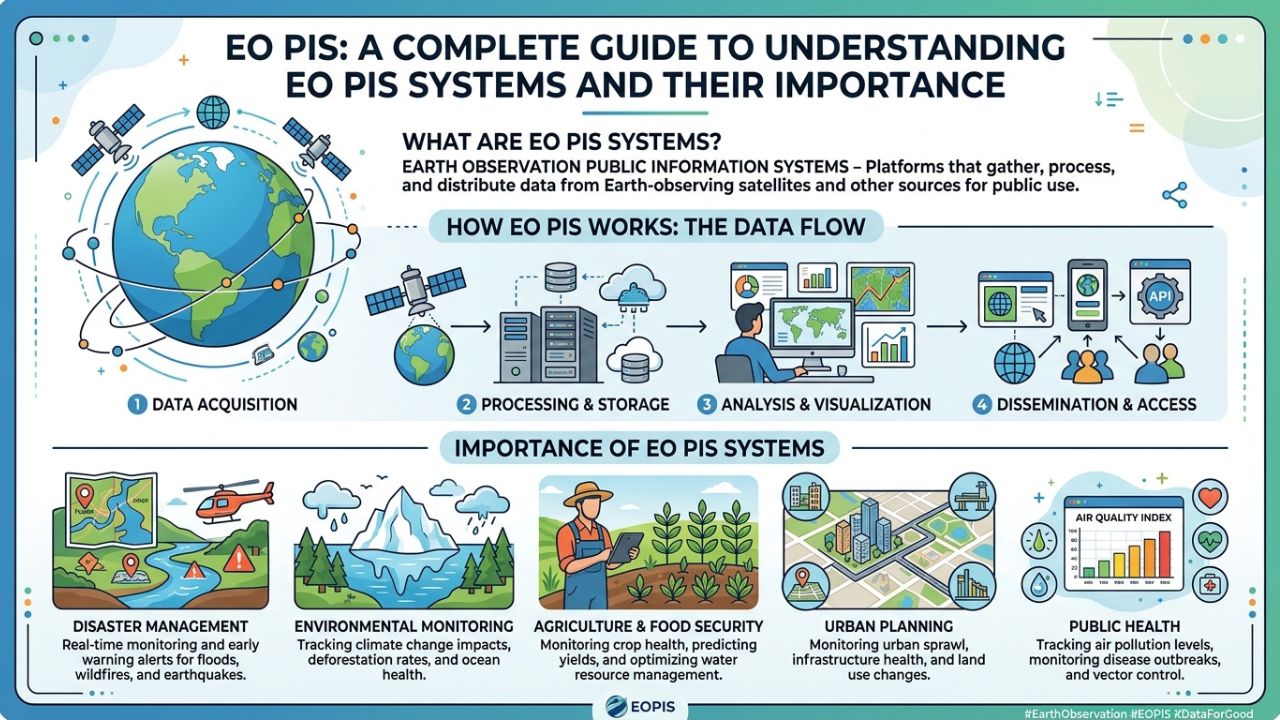
EO PIS is an emerging term often associated with modern digital systems used for managing business operations, transactions, and data processing. Although the meaning of EO PIS may vary depending on context, it is commonly understood as a structured system designed to improve efficiency, accuracy, and control in business environments. In today’s fast-moving digital world, EO PIS plays an important role in helping organizations streamline operations and reduce manual workload. This article explains EO PIS in detail, including its meaning, features, benefits, applications, and future potential.
What is EO PIS?
EO PIS can be described as a system or framework that helps businesses manage and process information in an organized and efficient manner. It is often linked with operational systems that support transactions, inventory tracking, reporting, and overall business management.
In simple terms, EO PIS acts as a structured solution that reduces complexity in daily operations. It allows businesses to handle multiple tasks in a systematic way, improving speed and accuracy. Whether used in retail, service industries, or digital platforms, EO PIS provides a foundation for better operational control.
Core Features of EO PIS
EO PIS comes with several important features that make it useful for modern organizations. One of the most important features of EO PIS is automation. It reduces the need for manual work by automating repetitive tasks such as data entry, reporting, and transaction processing.
Another key feature of EO PIS is real-time processing. This allows businesses to access updated information instantly, helping them make quick and accurate decisions.
EO PI S also offers data integration. It connects different parts of a business system, ensuring that all information flows smoothly between departments. This reduces errors and improves coordination.
Security is another important feature of EO P IS. Since it deals with sensitive business data, it includes protective measures to prevent unauthorized access and data loss.
Lastly, EO PI S is designed to be user-friendly. Even individuals with basic technical knowledge can operate it efficiently after minimal training.
How EO PIS Works
EO PI S works by combining different operational functions into a single system. It collects data from various sources, processes it, and then organizes it into meaningful information.
The process begins with data input, where information such as sales, inventory, or customer details is entered into the system. EO P IS then processes this data using built-in tools and algorithms.
After processing, the system generates useful outputs such as reports, summaries, and performance insights. These outputs help managers and business owners make informed decisions.
EO P IS also continuously updates information in real time, ensuring that users always have access to the latest data. This makes it highly effective for dynamic business environments.
Benefits of EO PIS
EO P IS provides a wide range of benefits that make it valuable for businesses of all sizes. One of the main benefits is improved efficiency. By automating tasks and organizing data, EO P IS reduces the time required to complete daily operations.
Another major benefit of EO P IS is accuracy. Manual processes are often prone to errors, but EO PI S minimizes mistakes by using automated systems.
EO P IS also improves decision-making. With access to real-time data and detailed reports, business owners can make better strategic choices.
Cost reduction is another important advantage. By reducing manual labor and improving efficiency, EO P IS helps businesses save operational costs in the long term.
Additionally, EO P IS enhances productivity by allowing employees to focus on more important tasks instead of repetitive administrative work.
Applications of EO PIS in Different Industries
EO PI S is used in a variety of industries due to its flexible nature. In retail, EO P IS helps manage sales transactions, track inventory, and analyze customer behavior. This improves store performance and customer satisfaction.
In hospitality, EO P IS is used to manage bookings, billing, and customer service operations. It ensures smooth and efficient service delivery.
In healthcare, EO P IS supports patient record management, appointment scheduling, and billing systems. This improves accuracy and reduces waiting times.
In manufacturing, EO P IS helps track production processes, manage supply chains, and monitor resource usage. This leads to better operational control and reduced waste.
Even in education, EO P IS-like systems are used for managing student records, attendance, and administrative tasks, making institutions more organized and efficient.
Challenges of EO PIS
Despite its many advantages, EO PIS also comes with certain challenges. One of the main challenges is the initial cost of implementation. Setting up a complete EO PI S system can be expensive for small businesses.
Another challenge is technical complexity. Some users may find it difficult to understand and operate the system without proper training.
Data security risks can also be a concern if the system is not properly maintained. Since EO PI S handles sensitive information, it must be protected with strong security measures.
System downtime is another issue. If EO P IS experiences technical failures, it can temporarily disrupt business operations.
Finally, integration with older systems can sometimes be difficult, especially for businesses that have not yet adopted digital tools.
Future of EO PIS
The future of EO P IS looks promising as more businesses move toward digital transformation. With advancements in artificial intelligence and cloud computing, E O PIS is expected to become even more powerful and intelligent.
Future EO PIS systems may include predictive analytics, which will help businesses forecast trends and make proactive decisions. Automation will also become more advanced, reducing human involvement even further.
Cloud-based EO PIS solutions will allow businesses to access systems from anywhere, improving flexibility and remote operations.
As technology continues to evolve, EO P IS will likely become a standard tool for business management across industries.
Conclusion
EO P IS is a powerful and structured system designed to improve business efficiency, accuracy, and productivity. It helps organizations manage operations, process data, and make informed decisions in a more organized way. From retail and healthcare to manufacturing and education, EO PI S is widely applicable and highly beneficial.
Although it comes with certain challenges such as cost and complexity, its long-term advantages make it a valuable investment. As technology continues to advance, EO P IS is expected to play an even more important role in shaping the future of business operations.