
 By sharp sun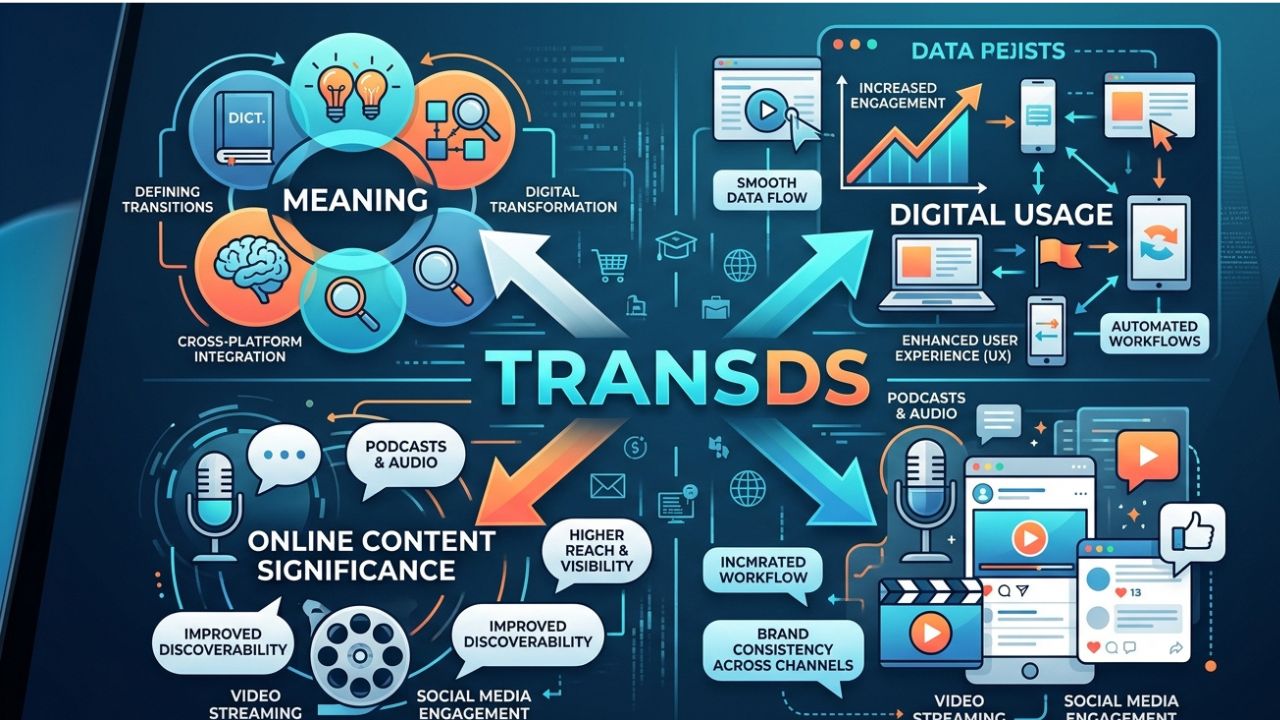
The term transds is an emerging and unconventional keyword often used in digital content creation, SEO testing, and experimental online writing. While it does not have a widely recognized dictionary meaning, transds reflects how modern internet language can be created, adapted, and analyzed within digital ecosystems.
In today’s online environment, terms like transds are frequently used by content creators and marketers to test search engine behavior, explore indexing performance, and generate unique articles with high originality. This makes transds an interesting example of how language evolves in the digital age.
The Nature of Transds in Digital Context
The concept of transds highlights the flexibility of internet-based language. Unlike traditional words that develop through historical or cultural usage, digital terms can be created instantly and gain relevance through online exposure.
Transds is typically used as:
- A placeholder keyword in SEO writing
- A testing term for content indexing
- A creative element in experimental articles
- A unique identifier in digital content strategies
Its meaning is defined mainly by context rather than formal linguistic rules.
Transds and SEO Content Strategy
One of the main uses of transds is in search engine optimization (SEO). SEO professionals often use unique or low-competition keywords like transds to evaluate how search engines respond to new content.
Why Transds Is Used in SEO
Content creators may use tra nsds to:
- Test how quickly search engines index new pages
- Measure ranking performance of fresh keywords
- Experiment with keyword placement and density
- Analyze content structure effectiveness
Because tran sds has little to no competition, it provides a clean environment for SEO experiments.
Keyword Optimization Benefits
Using unique keywords like transds helps writers understand how search algorithms interpret unfamiliar terms and structured content.
Digital Experimentation with Transds
The internet serves as a testing ground for evolving language patterns, and trans ds fits into this experimental framework. Writers and marketers use such terms to study how algorithms process unknown or artificial keywords.
This experimentation helps in understanding:
- Indexing behavior of search engines
- User engagement with unfamiliar content
- Ranking fluctuations for new keywords
- Structural impact on SEO performance
Transds becomes a controlled variable in digital content testing.
The Role of Transds in Internet Language Evolution
Internet language is constantly evolving, and transd s reflects how new terms can emerge without formal linguistic origins. Online communities, AI tools, and content creators all contribute to this evolution.
How Digital Words Are Created
Terms like transd s often emerge through:
- SEO experiments
- AI-generated text systems
- Branding innovation
- Creative writing exercises
Some of these terms fade quickly, while others evolve into recognized digital expressions.
Importance of Creativity
Creativity is central to internet language development. Transd s demonstrates how writers can invent words to explore ideas, test systems, or build unique content structures.
Transds and Content Uniqueness
In SEO writing, originality is essential. Transd s helps achieve high content uniqueness because it is not widely used across the web.
Advantages of Using Transds
- High originality score in content tools
- Low competition in search rankings
- Easier indexing analysis
- Flexible keyword placement
This makes transd s useful for experimental content strategies.
Challenges of Using Transds in Content
Despite its benefits, using transd s also presents certain challenges.
No Defined Meaning
Since transd s has no established definition, it may not attract users with clear search intent.
Limited Audience Understanding
Readers may find the term confusing without proper explanation.
SEO Uncertainty
Performance tracking can be difficult due to lack of historical data and search volume.
Engagement Limitations
Content using abstract keywords may require stronger context to maintain reader interest.
Transds in Digital Marketing
In digital marketing, transd s can be used as a testing keyword for campaigns, landing pages, and content analysis.
Marketers may apply it to:
- Test keyword-based SEO pages
- Measure engagement with new content structures
- Analyze user interaction patterns
- Experiment with advertising strategies
This helps improve understanding of how audiences respond to new digital terms.
Psychological Impact of Unique Keywords Like Transds
Unfamiliar terms such as tr ansds often create curiosity among users, which can increase engagement and reading time.
When readers encounter unknown words, they tend to:
- Explore the content more deeply
- Search for meaning
- Stay longer on the page
- Interact with related material
This makes tr ansds useful in studying user behavior online.
Transds and Modern Internet Culture
Internet culture thrives on experimentation, creativity, and rapid language evolution. Tra nsds represents the experimental side of this culture, where meaning is not fixed but shaped by usage.
Online communities continuously generate new terms through:
- Memes and trends
- Content creation
- Social media interactions
- AI-generated language
Trans ds fits into this dynamic environment of evolving digital expression.
Future of Keywords Like Transds
The future of tra nsds lies in how AI, SEO, and digital communication continue to develop.
AI-Generated Language Growth
Artificial intelligence tools will increasingly create new words like trans ds for testing and content generation.
Smarter Search Engines
Search engines are becoming more advanced in understanding context, meaning even abstract keywords may gain relevance over time.
Branding and Innovation
Businesses may adopt unique terms like transds to create distinctive digital identities and improve search visibility.
Practical Uses of Transds
Even without a fixed meaning, tra nsds has practical applications in digital workflows:
- SEO testing projects
- Content structure experiments
- Placeholder keyword usage
- Algorithm indexing analysis
- Creative writing exercises
These uses make it valuable in technical and creative fields.
Conclusion
The concept of tr ansds highlights the evolving nature of digital language and SEO experimentation. While it does not have a traditional definition, it plays an important role in content testing, keyword analysis, and internet culture exploration.
As digital platforms continue to evolve, terms like tra nsds will remain useful for understanding how search engines, users, and content systems interact with new and emerging language patterns.