
 By sharp sun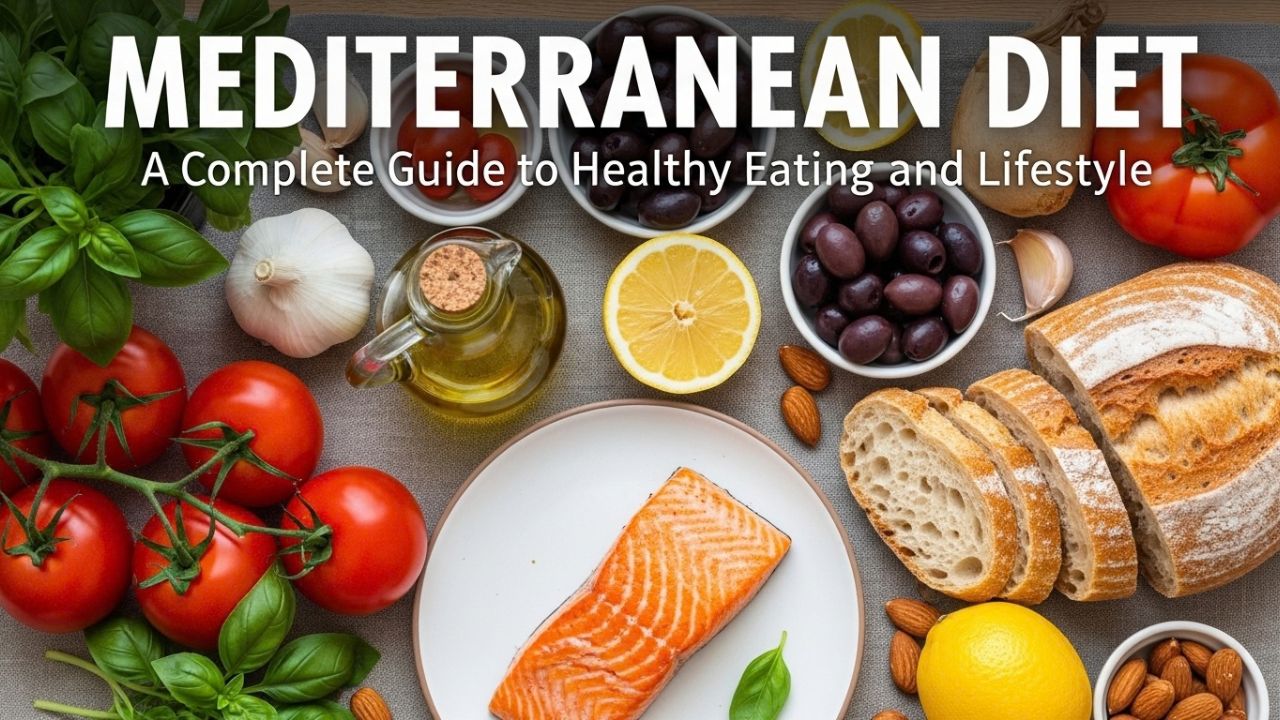
The Mediterranean Diet is widely recognized as one of the healthiest eating patterns in the world. It is inspired by the traditional food habits of countries surrounding the Mediterranean Sea, such as Greece, Italy, and Spain. This diet emphasizes whole, natural foods like fruits, vegetables, whole grains, legumes, nuts, olive oil, and fish while limiting processed foods, red meat, and refined sugar.
Unlike restrictive diets that focus on calorie counting or food elimination, the Mediterranean Diet is more of a lifestyle approach. It promotes balanced eating, physical activity, and enjoying meals with family and friends. Over the years, scientific research has consistently shown that this diet supports heart health, weight management, brain function, and overall longevity.
Origins of the Mediterranean Diet
The Mediterranean Diet is not a modern invention but a traditional way of eating that dates back centuries. People living in Mediterranean regions historically relied on agriculture, fishing, and seasonal produce. Their meals were simple, fresh, and nutrient-rich.
In the 1950s, researchers began noticing that populations in Mediterranean countries had lower rates of heart disease compared to Western nations. This observation led to scientific studies that identified the Mediterranean Diet as a key factor in their better health outcomes. Since then, it has gained global popularity as a sustainable and effective dietary pattern.
Core Components of the Mediterranean Diet
The Mediterranean Diet is based on simple but highly nutritious food groups. Each plays an important role in maintaining overall health.
1. Fruits and Vegetables
Fresh fruits and vegetables form the foundation of the diet. They are rich in vitamins, minerals, fiber, and antioxidants that protect the body from chronic diseases.
2. Whole Grains
Whole grains such as brown rice, oats, barley, and whole wheat provide long-lasting energy and improve digestion due to their high fiber content.
3. Healthy Fats
Olive oil is the primary source of fat in the Mediterranean Diet. It is rich in monounsaturated fats that support heart health and reduce inflammation.
4. Fish and Seafood
Fish like salmon, sardines, and tuna are consumed regularly. They provide omega-3 fatty acids, which are essential for brain and heart function.
5. Nuts and Seeds
Almonds, walnuts, flaxseeds, and chia seeds are nutrient-dense snacks that offer healthy fats, protein, and fiber.
6. Legumes
Beans, lentils, and chickpeas are excellent plant-based protein sources that support muscle health and digestion.
7. Dairy in Moderation
Cheese and yogurt are consumed in small amounts, providing calcium and probiotics for bone and gut health.
8. Limited Red Meat
Red meat is eaten occasionally rather than daily, helping reduce saturated fat intake.
Health Benefits of the Mediterranean Diet
The Mediterranean Diet is supported by extensive scientific research. Its benefits extend beyond simple nutrition.
1. Improves Heart Health
One of the most well-known benefits is its positive effect on cardiovascular health. The diet helps lower bad cholesterol levels, reduces blood pressure, and decreases the risk of heart disease and stroke.
2. Supports Weight Management
Because it focuses on whole foods and healthy fats, the Mediterranean Diet helps maintain a healthy weight without strict calorie restriction. It promotes satiety and reduces overeating.
3. Enhances Brain Function
The diet is linked to improved memory and reduced risk of cognitive decline. Omega-3 fatty acids and antioxidants protect brain cells from damage.
4. Reduces Risk of Chronic Diseases
Regular consumption of nutrient-rich foods helps lower the risk of type 2 diabetes, certain cancers, and metabolic disorders.
5. Promotes Longevity
Studies show that people following the Mediterranean Diet tend to live longer and experience better quality of life in old age.
Mediterranean Diet and Lifestyle
The Mediterranean Diet is not just about food; it also includes lifestyle habits that contribute to overall wellness.
Physical Activity
Regular movement, such as walking, cycling, or gardening, is an important part of the Mediterranean lifestyle.
Social Eating
Meals are often enjoyed with family and friends, encouraging slower eating and better digestion.
Stress Reduction
Mediterranean cultures value relaxation and balance, which helps reduce stress levels and improve mental health.
Foods to Avoid in the Mediterranean Diet
To fully benefit from this eating pattern, certain foods should be limited:
- Processed and packaged foods
- Sugary drinks and sweets
- Refined carbohydrates like white bread
- Excessive red meat
- Trans fats and fast food
Reducing these foods helps maintain the natural balance of nutrients in the body.
How to Start the Mediterranean Diet
Adopting the Mediterranean Diet is simple and does not require drastic changes.
Start by replacing unhealthy fats with olive oil. Increase your intake of fruits and vegetables in every meal. Choose whole grains instead of refined grains. Include fish at least twice a week and add legumes as a protein alternative. Gradually reduce processed foods and sugary snacks.
Small, consistent changes are more effective than sudden restrictions.
Common Misconceptions about the Mediterranean Diet
There are several misunderstandings about this diet.
One common myth is that it is expensive. In reality, it relies on simple, locally available foods like grains, vegetables, and legumes. Another misconception is that it is only about eating fish and olive oil, while in fact it is a balanced and diverse eating pattern.
Some people also believe it is a strict diet plan, but it is actually flexible and adaptable to different cultures and preferences.
Conclusion
The Mediterranean Diet is more than just a food plan; it is a sustainable lifestyle that promotes long-term health and well-being. By focusing on natural, nutrient-rich foods and balanced living, it helps improve heart health, brain function, and overall quality of life. Its flexibility and proven health benefits make it one of the most recommended dietary patterns worldwide. Adopting it gradually can lead to lasting positive changes in health and lifestyle.