
 By sharp sun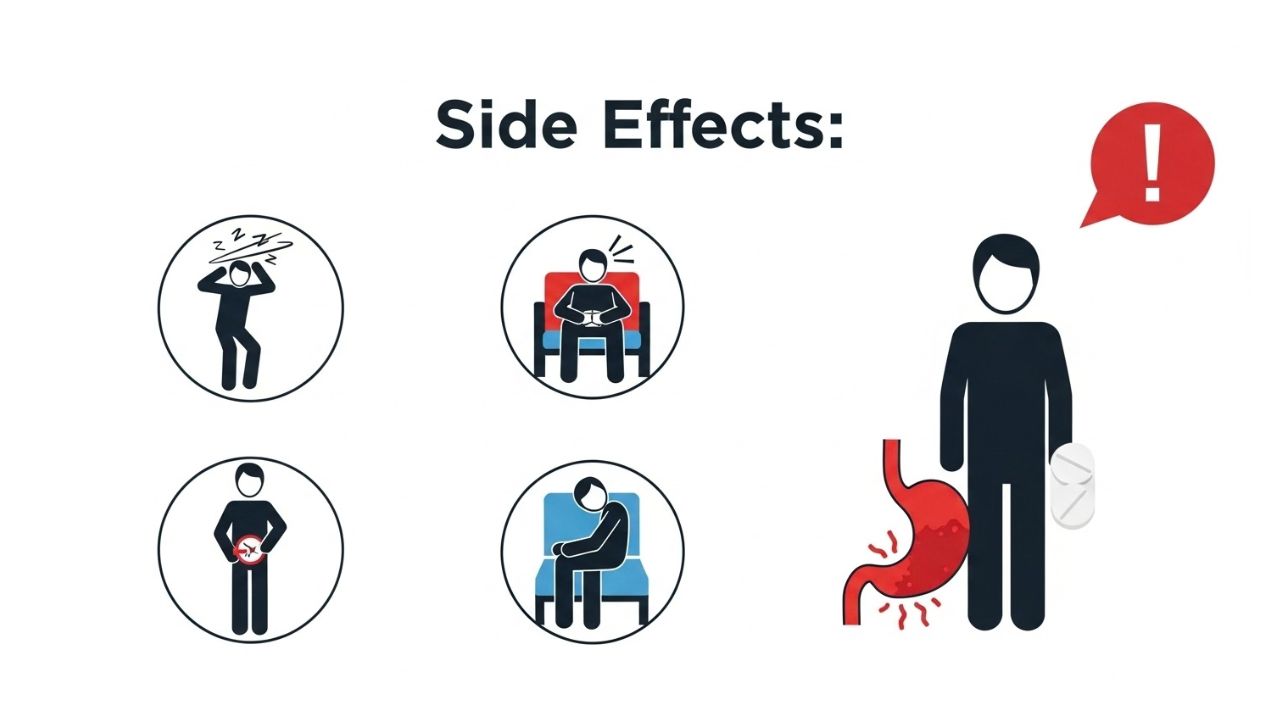
Gabapentin is a prescription medication commonly used to treat nerve-related pain and certain types of seizures. It belongs to a class of drugs known as anticonvulsants or antiepileptic medications. Over the years, it has become widely prescribed for conditions beyond epilepsy, especially nerve pain caused by diabetes, shingles, or other neurological disorders.
Gabapentin works by affecting the way nerves send messages to the brain. It helps calm overactive nerve signals, which reduces pain sensations and helps prevent seizures. Because of its versatility, it is frequently used in both neurology and pain management treatments.
What is Gabapentin?
Gabapentin was originally developed to treat epilepsy, specifically partial seizures. However, doctors later discovered its effectiveness in treating neuropathic (nerve) pain. Today, it is prescribed for a variety of medical conditions under professional supervision.
Common uses include:
- Epileptic seizures (partial seizures)
- Nerve pain caused by diabetes (diabetic neuropathy)
- Postherpetic neuralgia (pain after shingles)
- Restless legs syndrome (in some cases)
- Chronic nerve-related pain conditions
Its ability to stabilize nerve activity makes it an important medication in modern medicine.
How Gabapentin Works in the Body
The exact mechanism of gabapentin is not fully understood, but it is known to affect calcium channels in nerve cells. By binding to specific parts of the nervous system, it reduces abnormal electrical activity in the brain and spinal cord.
This action helps in two main ways:
- Reduces seizure activity by calming overexcited neurons
- Decreases nerve pain signals sent to the brain
Unlike some painkillers, gabapentin does not work on inflammation or injury directly. Instead, it targets the nervous system, making it especially effective for nerve-related conditions rather than general body pain.
Common Uses of Gabapentin
Gabapentin is widely prescribed for several medical conditions, particularly those involving nerve dysfunction or abnormal brain activity.
Gabapentin for Seizure Control
One of the primary uses of gabapentin is to help control partial seizures in people with epilepsy. It is often used alongside other antiepileptic medications to improve seizure management.
Gabapentin for Nerve Pain
Gabapentin is highly effective in treating neuropathic pain. Conditions such as diabetic neuropathy and postherpetic neuralgia respond well to this medication because it reduces nerve sensitivity.
Gabapentin for Restless Legs Syndrome
In some cases, gabapentin is prescribed for restless legs syndrome, a condition that causes uncomfortable sensations and an urge to move the legs, especially at night.
Off-Label Uses
Doctors sometimes prescribe gabapentin for other conditions such as anxiety disorders, migraines, or chronic pain syndromes. These uses depend on individual patient needs and medical judgment.
Dosage and Administration of Gabapentin
The dosage of gabapentin varies depending on the condition being treated, patient age, kidney function, and response to the medication. It is usually taken orally in capsule, tablet, or liquid form.
Doctors typically start with a low dose and gradually increase it to reduce side effects. This process is known as titration.
Important guidelines include:
- Take gabapentin at evenly spaced intervals
- Do not stop the medication suddenly without medical advice
- Follow the prescribed dosage strictly
- It can be taken with or without food
Sudden discontinuation may lead to withdrawal symptoms or increased seizure risk in epileptic patients.
Side Effects of Gabapentin
Like all medications, gabapentin may cause side effects. Most are mild, but some can be more serious depending on the individual.
Common Side Effects
- Drowsiness
- Dizziness
- Fatigue
- Coordination problems
- Swelling in hands or feet
Less Common but Serious Side Effects
- Mood changes or depression
- Vision problems
- Severe allergic reactions
- Difficulty breathing (rare)
- Suicidal thoughts (very rare but serious warning)
Patients experiencing severe symptoms should seek medical attention immediately.
Precautions When Using Gabapentin
Before taking gabapentin, patients should inform their doctor about any existing medical conditions, especially kidney problems, respiratory issues, or mental health disorders.
Important precautions include:
- Avoid alcohol, as it may increase drowsiness
- Do not operate heavy machinery until you know how it affects you
- Use caution when combining with sedatives or opioids
- Adjustments may be needed for kidney disease patients
Pregnant or breastfeeding women should only use gabapentin if clearly prescribed by a healthcare professional.
Drug Interactions with Gabapentin
Gabapentin may interact with other medications, affecting its effectiveness or increasing side effects. Common interactions include:
- Opioid pain medications (increased sedation risk)
- Antacids (may reduce absorption if taken too closely)
- Sedatives or sleeping pills
- Certain anti-anxiety medications
To avoid complications, patients should always share their full medication list with their healthcare provider.
Benefits of Gabapentin
Gabapentin offers several important benefits, especially for patients with nerve-related conditions.
- Effective for nerve pain relief
- Helps control seizures in epilepsy
- Can improve quality of life in chronic pain patients
- Non-opioid pain management option
- Useful for multiple neurological conditions
Its ability to target nerve signaling makes it especially valuable when traditional painkillers are ineffective.
Safety Tips for Gabapentin Use
To ensure safe use of gabapentin, patients should follow these important tips:
- Take exactly as prescribed by a doctor
- Do not stop suddenly without medical guidance
- Avoid alcohol and recreational drugs
- Store in a cool, dry place away from children
- Attend regular follow-up appointments
Proper use helps maximize benefits while minimizing risks.
Conclusion
Gabapentin is an important medication widely used for treating nerve pain and controlling seizures. Its ability to calm abnormal nerve activity makes it a valuable option in modern medical treatment.
While it is generally safe when used correctly, it must be taken under proper medical supervision to avoid side effects and complications. Understanding how gabapentin works, its uses, and safety precautions can help patients use it more effectively and improve their overall health outcomes.